
Why We Love Custom Cars
Why Do We Love Custom Cars? The Passion Behind Classic Cars, Hot Rods, and Car Culture
What is it about an old car that makes us stop, turn around, and take another look? Is it the rumble of a powerful V8 engine, the shine of a perfectly polished chrome bumper, or the unmistakable lines of a classic automobile?
For many enthusiasts, it's all of those things—and something much deeper.
Custom cars are more than machines. They're expressions of personality, creativity, craftsmanship, and nostalgia. Each one tells a story, whether it's a carefully restored classic, a heavily modified hot rod, or a one-of-a-kind street rod built from the ground up.
And nowhere is that passion more evident than at a local car show.
Every Custom Car Tells a Story
One of the most rewarding parts of working in the auto appraisal business is the opportunity to see remarkable vehicles and meet the people who own them.
Throughout Southern California, from Ventura and Santa Barbara to Kern and Los Angeles counties, car shows and cruise nights bring automotive enthusiasts together throughout the year.
Some events attract hundreds of vehicles and thousands of spectators. Others are small community gatherings or charity fundraisers. But regardless of their size, they share something special: people who genuinely love their cars.
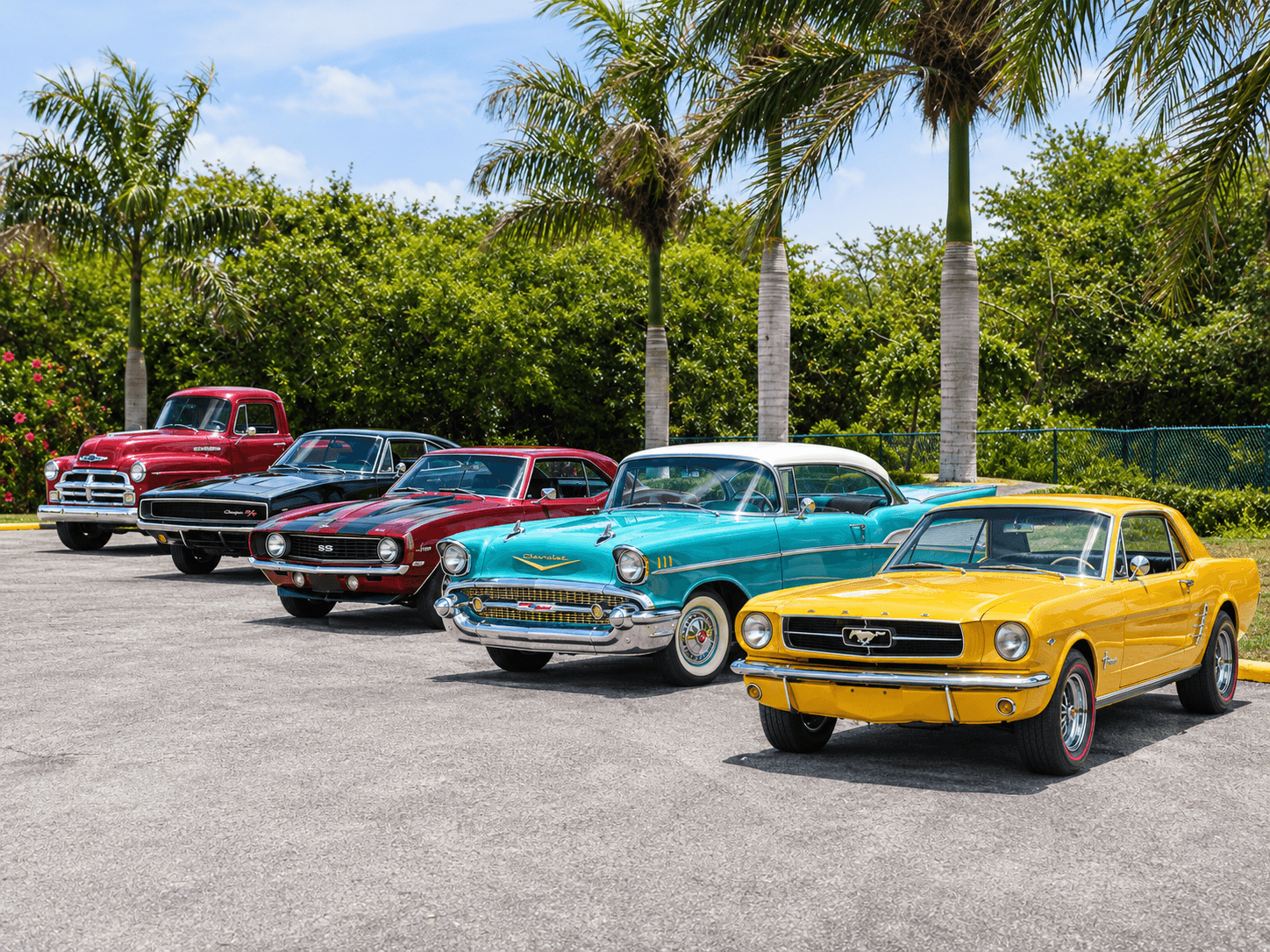
Walk through almost any classic car show, and you'll find an incredible variety of automotive styles. There are beautifully restored muscle cars, traditional hot rods, custom-painted street rods, vintage trucks, and rare collector vehicles.
Some owners strive for factory-original perfection. Others see their cars as blank canvases, ready to be transformed into something entirely their own.
You'll find bold colors, elaborate paintwork, polished chrome, custom interiors, oversized wheels, and engines that look as impressive as they sound.
No two vehicles are exactly alike, and that's part of the appeal.
Customization Is an Art Form
For automotive enthusiasts, customizing a car is about more than changing its appearance or improving its performance.
It's about creating something personal.
A custom build might begin with a forgotten project car sitting in a garage. Over months or even years, the owner carefully selects components, experiments with design ideas, and works to bring a vision to life.
Some builders prefer the timeless appearance of traditional hot rods, while others incorporate modern suspension systems, upgraded brakes, fuel-injected engines, and contemporary electronics.
Restomods, which combine classic styling with modern mechanical and technological upgrades, have also become an established part of the collector car landscape.
The possibilities are nearly endless.
What makes these vehicles special isn't necessarily the amount of money invested. It's the thought, effort, and attention to detail behind every decision.
A custom car reflects the personality of its owner in a way few other possessions can.
A Passion That Continues Across Generations
While many people associate classic cars and hot rods with earlier generations, today's automotive enthusiast community is much broader.
Interest in vehicle personalization remains strong, and younger enthusiasts are helping shape the future of car culture.
According to the Specialty Equipment Market Association (SEMA), U.S. consumers spent approximately $52.92 billion on specialty automotive accessories and performance parts in 2025.
The association's 2026 research also found that more than half of buyers of these products were under the age of 40.
That enthusiasm takes many forms.
For some, it's restoring a 1960s muscle car or building a traditional Ford hot rod. For others, it's modifying a Japanese performance car, customizing a pickup truck, or turning a modern sports car into something unique.
The vehicles may change, but the motivation remains remarkably similar: the desire to create, improve, personalize, and enjoy something that reflects an individual's taste.
Car Shows Are About More Than Cars
Ask regular car show attendees what keeps them coming back, and you'll often hear that it's not just the vehicles.
It's the people.
Car shows and cruise nights create opportunities to reconnect with friends, meet fellow enthusiasts, exchange ideas, and share stories about automotive adventures.
An owner might spend years perfecting a restoration, only to find that one of the most rewarding moments is explaining the project to someone who genuinely appreciates the work.
Experienced builders share technical advice with newcomers. Families spend afternoons exploring rows of classic automobiles. Children discover their first favorite car, perhaps starting a lifelong interest in the hobby.
And, of course, there's usually plenty of music, food, laughter, and friendly conversation.
Whether it's a major sponsored event or a small local fundraiser, the atmosphere often feels welcoming and familiar.
That's the real strength of the automotive enthusiast community. People from different backgrounds and generations come together through a shared appreciation for automobiles.
Why Do We Become So Attached to Our Cars?
For many collectors, the connection goes back decades.
Perhaps it's the car they drove in high school, the one their parents owned, or the dream vehicle they admired growing up.
Others are drawn to the challenge of taking something old and making it extraordinary.
A custom car can represent years of hard work, personal achievement, and memories made along the way.
It's often difficult to explain that attachment to someone who sees a car simply as transportation.
But for enthusiasts, the value goes far beyond getting from one place to another.
A favorite vehicle might represent freedom, family traditions, artistic expression, or the satisfaction of mastering a challenging project.
And when someone finally turns the key and takes that finished car out for a drive, all those hours in the garage suddenly feel worthwhile.
Understanding the Value of a Custom or Modified Car
There's another important consideration for owners who invest significant time and money in their vehicles: understanding what their custom car is worth.
Unlike factory-original production vehicles, extensively modified cars can be challenging to value.
Custom paintwork, performance upgrades, specialty components, unique interiors, and one-off fabrication can all influence a vehicle's market value.
However, the cost of building a custom car doesn't necessarily equal its resale value.
A professional appraisal considers the vehicle's condition, quality of workmanship, modifications, documentation, and relevant market comparisons to develop an informed opinion of value.
This can be particularly useful for insurance purposes, buying or selling a vehicle, estate planning, or documenting the value of a significant automotive investment.
Keeping detailed records of modifications, restoration work, parts, and professional services can also help support a more thorough appraisal.
At Auto Appraisal Network, we understand that custom and collector vehicles deserve individual attention. Each car has its own history, characteristics, and market appeal.
If you're looking to establish the value of your custom car, hot rod, or collector vehicle, you can find an Auto Appraisal Network appraiser in your area.
Keeping the Love of Cars Alive
At the end of the day, the custom car hobby is about much more than horsepower, shiny paint, or impressive modifications.
It's about creativity, pride, friendship, and the simple enjoyment of something we're passionate about.
There will always be new trends, different automotive styles, and changing generations of enthusiasts. But the excitement of seeing a beautifully built car pull into a show is unlikely to disappear anytime soon.
That's what makes this hobby so rewarding.
So whether you're behind the wheel of a classic convertible, putting the finishing touches on a hot rod, or simply admiring the craftsmanship at your local cruise night, keep enjoying the cars and the people who make this community special.
See you at the next car show!
