
Bill Thomas Cheetah: The Cobra Killer That Never Got Its Chance
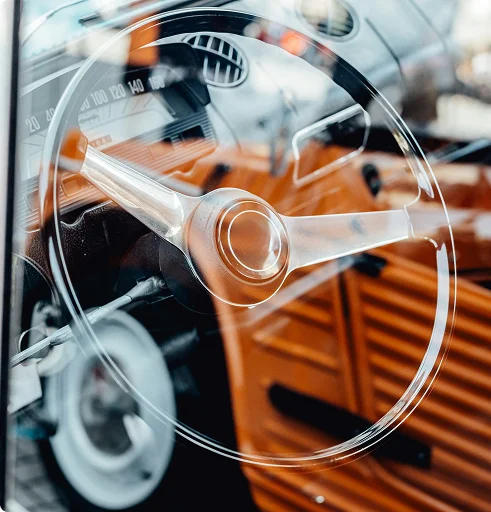
In the early 1960s, Carroll Shelby's Ford-powered Cobra was making a name for itself on racetracks across America. Chevrolet had plenty of performance experience of its own, but it didn't have a direct answer to Shelby's lightweight sports car.
That's where California race car builder Bill Thomas came in.
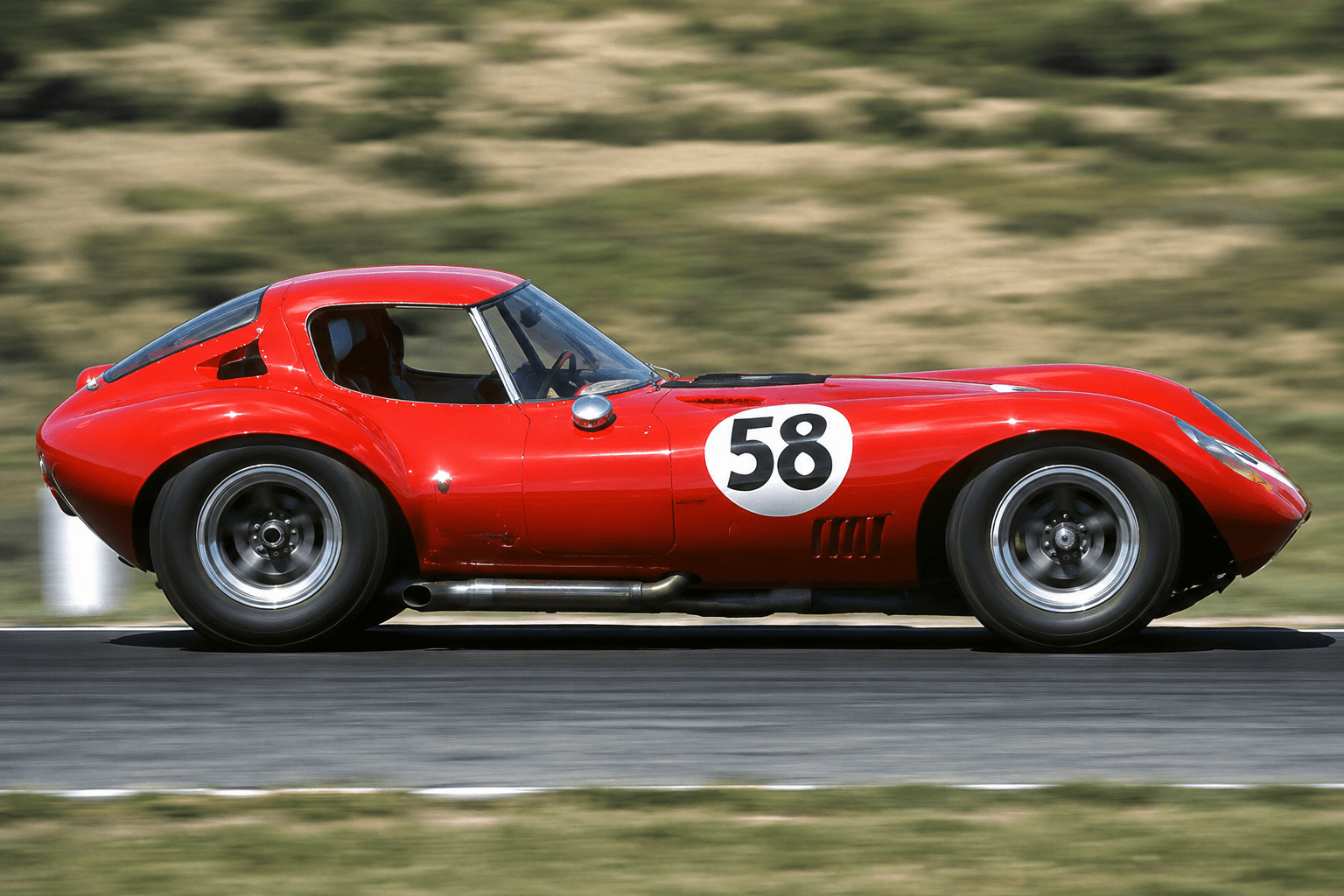
With help from talented fabricator Don Edmunds and unofficial support from Chevrolet, Thomas began developing a small, lightweight race car powered by Corvette components. The result was the Bill Thomas Cheetah, one of the wildest American sports cars of its era.
It had the power, the looks, and the speed to challenge the Cobra. Unfortunately, the project never had the opportunity to reach its full potential.
A Chevrolet-Powered Rival to the Shelby Cobra
Development of the Cheetah began in 1963 at Bill Thomas Race Cars in Anaheim, California.
The goal was straightforward: build a lightweight Chevrolet-powered sports car that could compete with the Shelby Cobra in production-based racing.
The Cheetah used a tubular steel chassis, Corvette-derived mechanical components, and an unusually compact body. Its long hood, low roofline, and short rear end gave it a distinctive appearance, while the engine was mounted far back in the chassis to improve weight distribution.
The first prototypes featured hand-formed aluminum bodywork. Later examples used fiberglass, which was less expensive and easier to produce.
At first glance, the Cheetah looked like a conventional front-engine sports car. But underneath, it was anything but ordinary.
Big V8 Power in a Lightweight Package
One of the Cheetah's most unusual features was its drivetrain.
The Chevrolet V8 sat so far back in the chassis that the transmission connected almost directly to the Corvette differential, eliminating the need for a conventional-length driveshaft.
The result was an extremely short, lightweight car with much of its mechanical weight concentrated toward the center.
Different Cheetahs received different Chevrolet V8 configurations, including modified 327-cubic-inch engines and larger racing engines. Some versions reportedly produced well over 400 horsepower.
Depending on the individual car and its configuration, the Cheetah weighed approximately 1,500 to 1,750 pounds.
With that much power in such a lightweight package, performance was extraordinary. Contemporary accounts describe Cheetahs reaching speeds well beyond 150 mph, with some racing examples reportedly exceeding 180 mph.
The trade-off was handling. The short wheelbase, enormous power, and cramped cockpit made the Cheetah a demanding car to drive, particularly at racing speeds.
It wasn't a refined sports car, but it was undeniably fast.
The Cheetah's Short but Impressive Racing Career
Although the Cheetah never achieved the widespread recognition of the Shelby Cobra, it wasn't without success.
During the 1964 racing season, Cheetahs competed in American sports car events and recorded numerous victories.
Some historical accounts credit the model with 11 significant race wins during that season alone.
The problem was that the Cheetah couldn't compete directly against the Cobra in the production racing category it had originally targeted.
Changes to homologation requirements increased the number of vehicles manufacturers needed to build to qualify for certain production classes. What had initially seemed achievable for a small operation became financially unrealistic.
Instead, the Cheetah competed in modified and sports racing categories, where it faced purpose-built competition cars.
Why Did Chevrolet Abandon the Cheetah?
The Cheetah project had benefited from unofficial Chevrolet engineering assistance and access to Corvette components. However, General Motors was operating under restrictions on factory-backed motorsports activities.
Without continued support from Chevrolet, producing enough cars to meet the new racing requirements became increasingly difficult.
The project lost momentum in 1964, and plans for larger-scale production were abandoned.
A fire at the Bill Thomas Race Cars facility in 1965 later damaged tooling and components associated with the program. Although the fire is often blamed for ending Cheetah production, the project had already been discontinued before it occurred.
In other words, the Cheetah wasn't defeated by a single disaster. A combination of limited funding, changing racing rules, and the loss of manufacturer support brought the program to an early end.
How Many Original Bill Thomas Cheetahs Were Built?
The exact production total remains a subject of debate among automotive historians.
Bill Thomas III has stated that 11 original Cheetahs were completed, a figure commonly used by collectors and specialists.
Other historical accounts cite higher totals, sometimes including incomplete chassis, prototypes, and vehicles assembled from original components.
Because early production records were limited and some cars lacked conventional serial-number documentation, establishing the history of individual examples can be challenging.
That uncertainty makes provenance especially important when evaluating a surviving Cheetah.
The Cheetah's Legacy: A Cobra Killer That Almost Was
The Bill Thomas Cheetah never became the Shelby Cobra competitor Chevrolet enthusiasts had hoped for.
But that doesn't mean it was a failure.
It was an ambitious, remarkably fast racing car developed by a small team with limited resources. Its unusual engineering, aggressive styling, and brief competition career have earned it a lasting place in American motorsports history.
Today, surviving original Cheetahs are exceptionally rare and highly desirable among collectors of historic racing cars.
Continuation cars and replicas have also been produced, making it important to distinguish an original Bill Thomas-built Cheetah from a later recreation.
More than 60 years after its introduction, the Cheetah remains a fascinating reminder of what American racing might have looked like if Chevrolet had continued backing the project.
The Cobra became a legend. The Cheetah became one of racing's great what-if stories.
Own a Rare or Historic Sports Car?
Whether it's a vintage race car, a limited-production American classic, or a professionally built replica, understanding its history and authenticity is essential to determining its value. Learn how Auto Appraisal Network's professional vehicle appraisal services can help document your car's condition, provenance, and market value.
