Prior-to-Loss Valuation
What Is Prior-to-Loss Value?
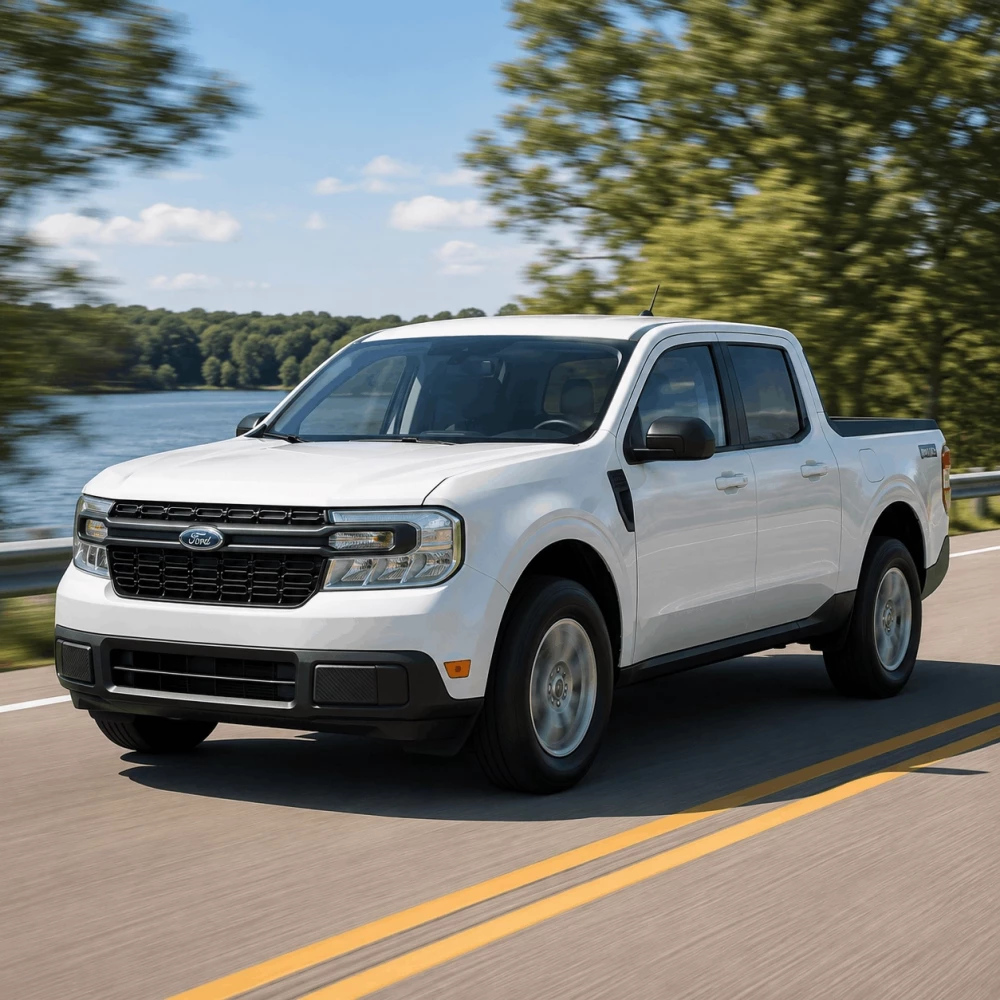
Prior-to-loss value is the market value of a vehicle immediately before it was damaged, stolen, flooded, burned, vandalized, or otherwise affected by a covered loss.
In many insurance situations, prior-to-loss value is the number used to determine your claim settlement. If that value is too low, the settlement offer may not reflect what the vehicle was actually worth before the loss occurred.
A prior-to-loss valuation helps document that pre-loss value using available vehicle records, condition information, mileage, options, upgrades, comparable market data, and other value factors.

When Do You Need a Prior-to-Loss Valuation?
You may need a prior-to-loss valuation if:
-
Your vehicle was declared a total loss
-
You disagree with the insurance company’s valuation
-
The insurance offer does not reflect your vehicle’s condition before the loss
-
Your vehicle had upgrades, customizations, or specialty features
-
The insurer’s comparable vehicles do not match your vehicle
-
Your vehicle was stolen, flooded, burned, vandalized, or otherwise damaged
-
You need documentation for a legal, financial, or insurance-related matter
-
You need to establish value from a specific point in time
Prior-to-loss valuations are especially important for vehicles that are difficult to value using standard pricing tools, including classic cars, collector vehicles, custom builds, exotic vehicles, specialty trucks, motorcycles, boats, RVs, low-mileage vehicles, and high-value vehicles.
Why Prior-to-Loss Value Matters
A claim settlement is only as accurate as the value it is based on. If important vehicle details are missed, the prior-to-loss value may be too low.
Insurance valuations don’t always account for:
- Excellent pre-loss condition
- Low mileage
- Trim level or rare options
- Recent maintenance
- Restoration work
- Customizations
- Aftermarket upgrades
- Specialty equipment
- Collector value
- Local market demand
- Comparable vehicles that truly match your vehicle
An independent prior-to-loss valuation helps document these details so the vehicle’s pre-loss value is based on more than a generic estimate.
What We Review
- Vehicle year, make, model, and trim
- Mileage before the loss
- Options and packages
- Pre-loss condition
- Photos from before the loss, when available
- Maintenance records
- Repair or restoration documentation
- Customizations
- Aftermarket upgrades
- Specialty equipment
- Prior appraisals, when available
- Window sticker or build sheet
- Vehicle history information
- Insurance valuation documents
- Comparable vehicle data
- Current market listings and sales, when available
- Rarity or collectability
- Purpose of the appraisal
Prior-to-loss valuation and total loss appraisal are closely related, but they are not exactly the same.
A prior-to-loss valuation focuses on determining what the vehicle was worth immediately before the loss occurred.
A total loss appraisal is typically used when the vehicle has already been declared a total loss and the owner is disputing or reviewing the insurance company’s settlement offer.
In many total loss situations, prior-to-loss value is the foundation of the appraisal. If your vehicle has been declared totaled and the settlement offer seems too low, you may also need a total loss appraisal.

How a Prior-to-Loss Valuation Helps
A certified prior-to-loss valuation can help provide documentation when a vehicle’s pre-loss value is being questioned, disputed, or reviewed.
Your report typically supports:
- Insurance claim discussions
- Total loss settlement disputes
- Appraisal clause processes
- Theft, fire, flood, or vandalism claims
- Legal or financial matters
- Ownership records
- Specialty vehicle valuation needs
- Estate, divorce, or bankruptcy documentation
Instead of relying only on an insurance estimate or automated valuation, an independent appraisal provides a documented professional opinion of what the vehicle was worth before the loss occurred.
-
Step 1
We Confirm the Appraisal Purpose
We start by confirming why you need a prior-to-loss valuation and how the report may be used. We may ask about the loss, insurance claim status, vehicle details, photos, records, upgrades, prior condition, and any valuation documents you have received.
-
Step 2
We Inspect and Document the Vehicle
When possible, your appraiser will inspect and document the vehicle. If the vehicle is no longer available, we may review available photos, records, repair estimates, insurance documents, maintenance history, prior appraisals, or other supporting information that helps establish pre-loss condition and value.
-
Step 3
Our Research Team Reviews Market Data and Comps
After documentation is gathered, the photos and notes are reviewed by our research team. They evaluate current market data, comparable vehicles when applicable, historical valuation information, and other factors relevant to the vehicle’s value before the loss occurred.
-
Step 4
You Receive a Certified Appraisal Report
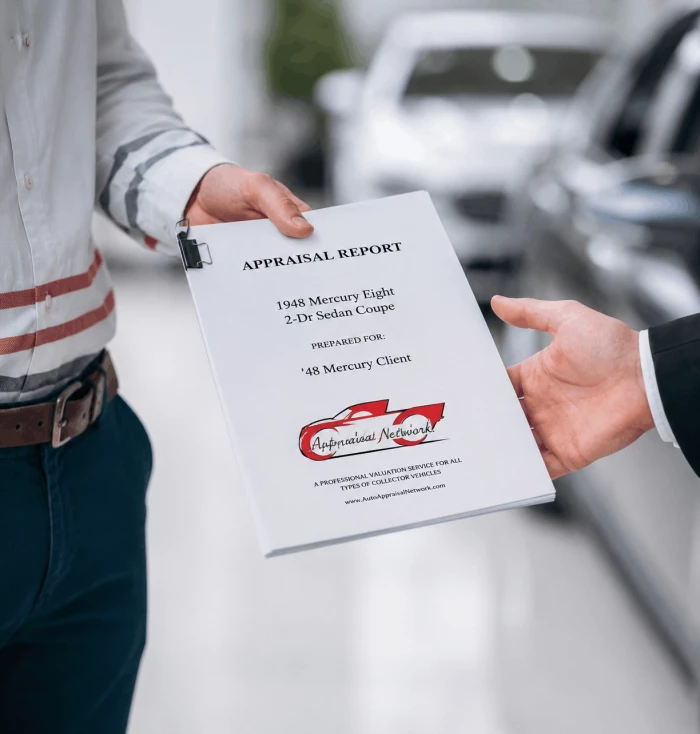
Once complete, you receive a certified appraisal report documenting the vehicle, the appraisal purpose, relevant research, and the professional opinion of prior-to-loss value. You can use the report to support an insurance claim, settlement discussion, legal matter, financial matter, or ownership record.
What Makes an Auto Appraisal Network Report Different?
Auto Appraisal Network sets the standard for professionally documented vehicle appraisal reports. Each of our appraisals is designed to provide more than just a simple estimate. Our reports combine hands-on vehicle documentation, detailed photography, market research done by humans, comparable sales data when available, and a clear professional valuation summary.
Your appraiser comes to the vehicle’s location when possible to inspect and document its condition, options, customizations, upgrades, identification details, and other factors that may affect value. Depending on the vehicle and appraisal type, reports include extensive photo documentation, current market data, historical valuation information, and comparable vehicles reviewed by our research team.
The result is a certified appraisal report that can be used to support insurance claims, total loss disputes, settlement discussions, appraisal clause processes, legal matters, financing, ownership documentation, and other situations where vehicle value needs to be clearly documented.
Prior-to-Loss Valuation FAQs
What does prior-to-loss value mean?
Prior-to-loss value is the market value of a vehicle immediately before it was damaged, stolen, flooded, burned, vandalized, or otherwise affected by a loss.
Is prior-to-loss value the same as actual cash value?
Prior-to-loss value and actual cash value are often closely related in insurance claims, but the exact terminology and calculation may vary by policy, state, insurance company, and claim type. A prior-to-loss valuation focuses on documenting what the vehicle was worth before the loss occurred.
When is prior-to-loss value used?
Prior-to-loss value may be used in total loss claims, theft claims, fire or flood claims, vandalism claims, insurance settlement discussions, appraisal clause processes, legal matters, and financial documentation.
How is prior-to-loss value determined?
Prior-to-loss value may be determined by reviewing the vehicle’s condition before the loss, mileage, trim, options, upgrades, maintenance records, restoration work, market data, comparable vehicles, and any available documentation showing the vehicle’s value at the time of loss.
What if my vehicle is no longer available for inspection?
If the vehicle is no longer available, your appraiser may still be able to review photos, insurance documents, repair estimates, maintenance records, prior appraisals, ownership documentation, or other records that help support a prior-to-loss valuation.
Why would an insurance company’s prior-to-loss value be too low?
An insurance valuation may miss important details such as excellent condition, rare options, recent maintenance, restoration work, customizations, aftermarket upgrades, specialty equipment, mileage differences, local market demand, or truly comparable vehicles.
What types of vehicles benefit from prior-to-loss valuations?
Prior-to-loss valuations can be useful for many vehicles, but they are especially important for classic cars, custom vehicles, collector cars, exotic vehicles, specialty trucks, motorcycles, boats, RVs, low-mileage vehicles, high-value vehicles, and vehicles with upgrades or unique features.
Can a prior-to-loss valuation support a total loss dispute?
Yes. In many total loss disputes, the key issue is what the vehicle was worth immediately before the loss. A certified prior-to-loss valuation can help document that value.
What documents should I provide?
Helpful documents may include insurance valuation reports, settlement offers, photos before the loss, photos after the loss, maintenance records, upgrade receipts, restoration records, prior appraisals, repair estimates, window stickers, build sheets, and vehicle history information.
Do I need a prior-to-loss valuation or a total loss appraisal?
If you need to establish what your vehicle was worth before the loss, a prior-to-loss valuation may be appropriate. If your vehicle has already been declared a total loss and you are disputing the settlement offer, a total loss appraisal may be the better fit. Your local Auto Appraisal Network appraiser can help determine which report is right for your situation.
Need a Prior-to-Loss Valuation?
If you need to document what your vehicle was worth before an accident, theft, fire, flood, vandalism, or other loss, Auto Appraisal Network can help.
Get an independent, certified appraisal report from an experienced appraiser near you and move forward with clearer documentation.