Pre-Purchase Vehicle Inspections
What Is a Pre-Purchase Vehicle Inspection?
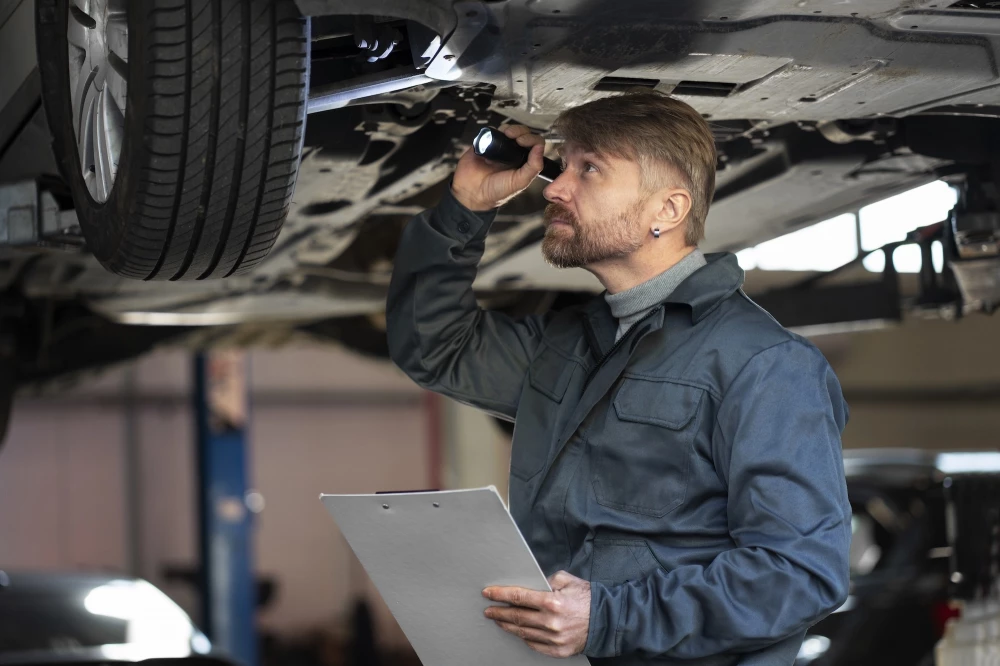
A pre-purchase vehicle inspection is a professional evaluation of a vehicle’s condition before you buy it.
During the inspection, an independent appraiser reviews the vehicle’s visible condition, documentation, features, and potential concerns. The goal is to help you understand what you are buying before money changes hands.
A pre-purchase inspection can help you decide whether to move forward, renegotiate, request repairs, keep researching, or walk away.
This service is especially helpful for:
- Classic cars
- Custom vehicles
- Collector vehicles
- Luxury vehicles
- Exotic vehicles
- Performance vehicles
- Modified vehicles
- Out-of-state purchases
- Private party sales
- High-value used vehicles
- Specialty trucks
- Motorcycles, boats, and RVs when applicable

When Do You Need a Pre-Purchase Inspection?
You may need a pre-purchase inspection if:
-
You are buying a used vehicle from a private seller
-
You are considering a classic, custom, collector, or specialty vehicle
-
The vehicle is located out of state or far from you
-
You cannot inspect the vehicle yourself
-
You want documentation before negotiating
-
You are unsure whether the asking price reflects the vehicle’s condition
-
The vehicle has modifications, upgrades, or restoration work
-
The seller’s photos or description do not tell the full story
-
You want a second opinion before making a major purchase
A pre-purchase inspection is designed to reduce uncertainty. It may not eliminate every possible risk, but it gives you better information before you decide.
Why Independent Inspections Matter
A seller, dealer, or auction listing may highlight the positives, but they may not fully document the concerns. An independent inspection gives you a more objective look at the vehicle before you commit.
Auto Appraisal Network appraisers are not tied to the seller, dealer, or insurance company. Our role is to document what we observe and help you better understand the vehicle’s condition, features, and value-related factors.
That independence matters when you are buying a vehicle that is expensive, rare, modified, restored, collectible, or located far away.
What We Review
- Vehicle year, make, model, and trim
- Mileage
- Exterior condition
- Interior condition
- Paint and bodywork
- Visible rust or corrosion
- Frame or structural concerns when visible
- Engine and mechanical observations
- Transmission observations
- Suspension and steering
- Brakes
- Electrical features
- Tires and wheels
- Options and packages
- Customizations
- Aftermarket upgrades
- Restoration work
- Specialty equipment
- Vehicle identification details
- Maintenance records
- Prior damage or repairs
- Market data or value-related information when applicable
- Purpose of the inspection
The exact inspection may vary based on the vehicle type, location, and service requested, but your appraiser typically will review:
Exterior & Body Condition
- Paint condition
- Body panels
- Rust or corrosion
- Signs of prior repairs
- Visible accident damage
- Panel alignment
- Glass, trim, and exterior details
- Frame or structural concerns when visible
Interior & Features
- Seat, carpet, dash, and interior condition
- Gauges and controls
- Interior trim
- Electrical accessories
- Specialty features
- Custom interior work
- Odometer reading
Mechanical & Powertrain Observations
- Engine condition observations
- Transmission observations
- Suspension
- Brakes
- Steering
- Exhaust
- Fluid levels or visible leaks
- Heating and air conditioning
- Fuel system observations
- Visible maintenance concerns
Tires, Wheels & Safety Items
- Tire condition
- Tread wear
- Wheels
- Brake condition observations
- Lighting
- Visible safety equipment
- Signs of alignment or suspension issues
Vehicle Identification & Documentation
- VIN verification
- Trim, options, and package details
- Title or ownership documentation when available
- Mileage documentation
- Service or maintenance records when provided
- Build sheets, receipts, or restoration records when available
Photos & Reports
- Condition notes
- Odometer reading
- Visible defects or concerns
- Color photos
- Summary of findings
- Value-related observations when applicable

What a Pre-Purchase Inspection Can Help You Do
A pre-purchase inspection gives you more information before you make a final decision.
Your report helps you:
- Avoid hidden mechanical, cosmetic, or structural problems
- Understand the vehicle’s true condition
- Identify repairs, damage, or inconsistencies
- Compare the asking price to the vehicle’s condition
- Request additional documentation from the seller
- Decide whether to move forward or walk away
- Negotiate from a stronger position
- Buy with more confidence, especially from a distance
For classic, custom, collector, exotic, and specialty vehicles, a pre-purchase inspection can be especially valuable because standard pricing tools rarely tell the full story.
-
Step 1
We Confirm the Inspection Purpose
We start by learning about the vehicle you are considering and what you need to know before buying. We may ask about the vehicle type, location, seller information, asking price, documentation, photos, and whether you need an inspection, appraisal, or both.
-
Step 2
We Inspect and Document the Vehicle
Your appraiser meets you at the vehicle’s location to inspect and document the vehicle. We take detailed photos, record condition, verify identifying details, and note features that may affect value, including customizations, restoration work, performance upgrades, specialty equipment, rare options, mileage, and originality.
-
Step 3
We Review the Findings
After the inspection, the information is organized into a clear report. When applicable, your appraiser may also review market data, comparable vehicles, documentation, upgrades, restoration records, or other details that help provide context.
-
Step 4
You Receive a Detailed Inspection Report
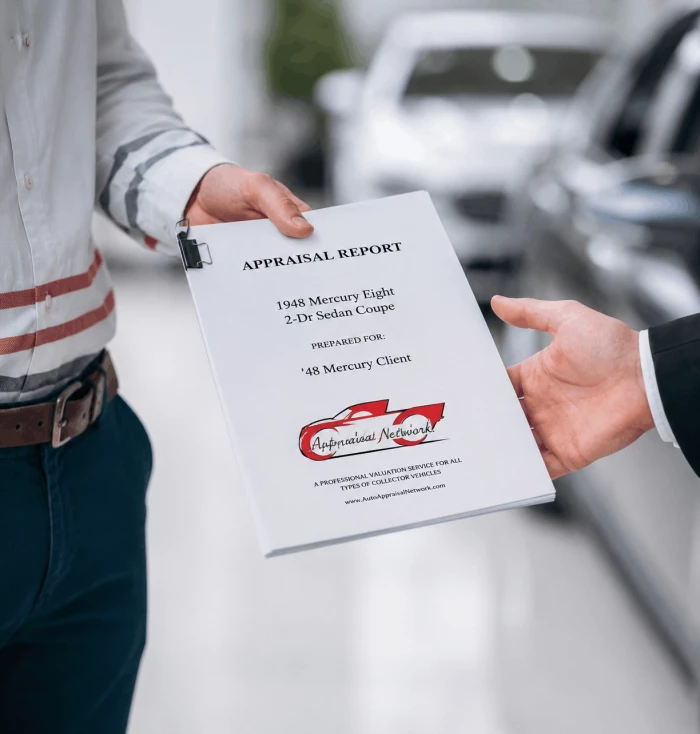
Once complete, you receive a report with photos, condition notes, and findings to help you make a more informed decision. You can use the report to move forward, negotiate, request repairs, keep researching, or walk away.
What Makes an Auto Appraisal Network Report Different?
Auto Appraisal Network sets the standard for professionally documented vehicle appraisal and inspection reports. Each report is designed to provide more than a quick opinion. Our process combines hands-on vehicle documentation, detailed photography, market awareness, value-related observations, and clear professional reporting.
Your appraiser comes to the vehicle’s location to inspect and document its condition, options, customizations, upgrades, identification details, and other factors that may affect purchase confidence or value. Depending on the vehicle and service type, reports may include extensive photo documentation, condition notes, market context, and comparable vehicles reviewed by our research team when applicable.
The result is a professional report that can help buyers, sellers, owners, lenders, attorneys, and other decision-makers better understand the vehicle before a major decision is made.
Pre-Purchase Vehicle Inspections FAQs
Do I need a pre-purchase inspection before buying a used vehicle?
A pre-purchase inspection is strongly recommended when you are buying a used, classic, custom, collector, exotic, high-value, or out-of-state vehicle. It helps you better understand condition and potential concerns before completing the purchase.
Is a pre-purchase inspection only for classic cars?
No. Pre-purchase inspections can be helpful for many types of vehicles, including used daily drivers, luxury vehicles, classic cars, custom builds, collector vehicles, performance vehicles, specialty trucks, motorcycles, boats, and RVs when applicable.
When should I schedule a pre-purchase inspection?
The best time to schedule a pre-purchase inspection is after you are seriously considering the vehicle but before you finalize the purchase, sign paperwork, send full payment, or arrange transport.
Can a pre-purchase inspection help me negotiate?
Yes. If the inspection identifies condition concerns, needed repairs, missing documentation, prior damage, or value-related issues, the report may help you negotiate price, request repairs, or reconsider the purchase.
What if the inspection finds major problems?
If major concerns are found, the report gives you documentation you can use to decide whether to renegotiate, ask for more information, request repairs, or walk away before committing.
Can you inspect a vehicle I am buying out of state?
In many cases, yes. Auto Appraisal Network has appraisers in markets across the U.S., which can be helpful when the vehicle is located far away and you want someone to inspect it before you travel or purchase.
Is a pre-purchase inspection the same as an appraisal?
Not exactly. A pre-purchase inspection focuses on the vehicle’s condition and purchase-related concerns. An appraisal focuses on determining value. In some cases, buyers may benefit from both, especially for classic, custom, collector, exotic, or specialty vehicles.
Does the inspection include photos?
Yes. Auto Appraisal Network inspections typically include photo documentation so you can see the vehicle’s condition, features, and concerns more clearly.
Can a pre-purchase inspection guarantee there are no problems?
No inspection can guarantee that a vehicle has no issues, especially when some problems may be hidden, intermittent, internal, or not visible during a standard inspection. However, an independent inspection can help identify visible concerns and provide better information before purchase.
What information should I provide before the inspection?
Helpful information includes the seller’s contact information, vehicle location, listing link, VIN, asking price, photos, known history, service records, restoration records, build sheets, and any specific concerns you want reviewed.
Need a Pre-Purchase Vehicle Inspection?
Before you buy, get a clearer picture of the vehicle’s condition, documentation, and potential concerns.
Auto Appraisal Network provides independent pre-purchase inspections that help buyers make smarter decisions with more confidence.