Estate & Probate Vehicle Appraisals
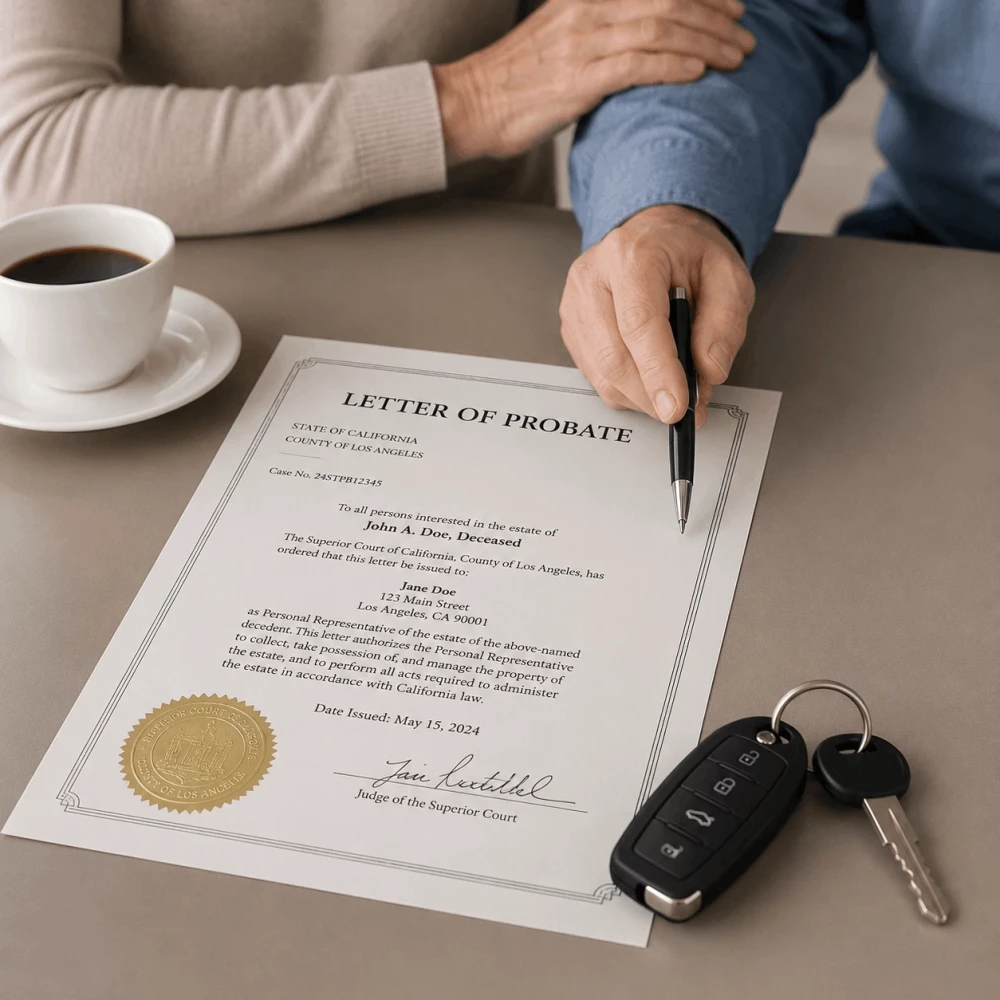
What Is an Estate Vehicle Appraisal?
An estate vehicle appraisal is a professional valuation used to document the fair market value of a vehicle owned by an estate.
This may include everyday vehicles, classic cars, collector vehicles, custom cars, motorcycles, boats, personal watercraft, RVs, specialty trucks, project cars, or full vehicle collections.
Estate appraisals may be needed for probate, asset distribution, tax reporting, resale decisions, legal documentation, or disputes among heirs. A certified report helps create a clear record of value so the estate can move forward with better documentation.

When Do You Need an Estate or Probate Appraisal?
You may need an estate or probate vehicle appraisal if:
-
A vehicle is part of an estate
-
You are serving as an executor, trustee, or estate administrator
-
Vehicle value must be documented for probate
-
Assets need to be divided among heirs or beneficiaries
-
A vehicle or collection may be sold
-
Tax, legal, or financial records require a documented value
-
There is disagreement about what a vehicle is worth
-
The estate includes classic, custom, collector, exotic, motorcycle, boat, RV, or specialty vehicles
-
You need a retroactive value as of a specific date
A professional appraisal can be especially important when the vehicle is unique, modified, restored, collectible, in poor condition, unfinished, or difficult to value using standard online tools.
Why Accurate Vehicle Valuation Matters
Estate settlement often requires more than a rough estimate. A documented vehicle appraisal can help support fair decision-making, reduce confusion, and provide a clearer record for attorneys, accountants, executors, courts, and heirs.
A certified estate appraisal is helpful for:
- Probate documentation
- Estate tax or financial reporting
- Fair asset distribution
- Vehicle resale decisions
- Inheritance planning
- Dispute prevention or resolution
- Attorney, accountant, or court-related documentation
- Valuation of specialty vehicles or collections
For classic cars, custom vehicles, collector cars, motorcycles, boats, RVs, and specialty vehicles, online estimates may not account for condition, rarity, originality, restoration quality, modifications, provenance, or current market demand.
What We Review
- Vehicle year, make, model, and trim
- Mileage
- Options and packages
- Originality
- Maintenance history
- Restoration work
- Customizations
- Aftermarket upgrades
- Ownership documentation
- VIN details
- Historical valuation information
- Specialty equipment
- Prior appraisals
- Photos and condition details
- Insurance valuation documents
- Comparable sales or listings
- Current market listings and sales, when available
- Rarity or collectability
- Purpose of the appraisal
In many estate situations, the value needed is not today’s value. It may be the fair market value as of the date of death or another specific date required for estate, probate, tax, or legal purposes.
Auto Appraisal Network can provide retroactive vehicle appraisals when sufficient documentation is available. These appraisals may review historical market data, comparable sales, vehicle records, photos, prior appraisals, maintenance information, restoration documentation, and other details that help establish value for the required date.

How an Estate Vehicle Appraisal Helps
A certified estate or probate appraisal can help provide clear documentation when vehicle value needs to be established for legal, financial, or family decision-making.
Your report may help support:
- Estate administration
- Probate proceedings
- Executor or trustee documentation
- Tax and financial reporting
- Fair distribution among heirs
- Sale or transfer decisions
- Attorney or accountant review
- Disputes involving vehicle value
- Classic car or vehicle collection valuation
Instead of relying on a generic pricing tool or an unsupported estimate, an independent appraisal provides a professional opinion of value based on the vehicle and the purpose of the appraisal.
-
Step 1
We Confirm the Appraisal Purpose
We start by confirming why the appraisal is needed and how the report may be used. We may ask whether the appraisal is for probate, estate administration, tax documentation, asset distribution, resale, legal review, or another purpose.
-
Step 2
We Inspect and Document the Vehicle
Your appraiser meets at the vehicle’s location when possible to inspect and document the vehicle. We take detailed photos, record condition, verify identifying details, and note factors that may affect value, including mileage, options, restoration work, customizations, upgrades, prior damage, or specialty features.
-
Step 3
Our Research Team Reviews Market Data and Comps
After documentation is gathered, the photos and notes are reviewed by our research team. They evaluate current or historical market data, comparable vehicles when applicable, valuation trends, condition details, and other factors relevant to the required valuation date and appraisal purpose.
-
Step 4
You Receive a Certified Appraisal Report
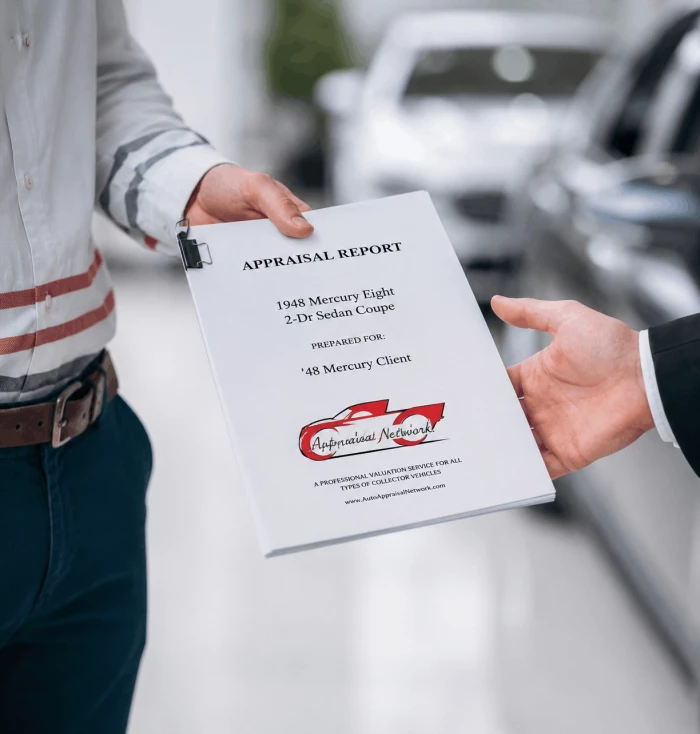
Once complete, you receive a certified appraisal report documenting the vehicle, appraisal purpose, relevant research, and professional opinion of value. The report can be used to support estate administration, probate, tax documentation, legal matters, asset distribution, resale decisions, or family records.
What Makes an Auto Appraisal Network Report Different?
Auto Appraisal Network sets the standard for professionally documented vehicle appraisal reports. Each of our appraisals is designed to provide more than just a simple estimate. Our reports combine hands-on vehicle documentation, detailed photography, market research done by humans, comparable sales data when available, and a clear professional valuation summary.
Your appraiser comes to the vehicle’s location when possible to inspect and document its condition, options, customizations, upgrades, identification details, and other factors that may affect value. Depending on the vehicle and appraisal type, reports include extensive photo documentation, current market data, historical valuation information, and comparable vehicles reviewed by our research team.
The result is a certified appraisal report that can be used to support estate and probate matters, tax and financial documentation, legal matters, private sales, ownership records, insurance coverage, financing, and other situations where vehicle value needs to be clearly documented.
Estate & Probate Vehicle Appraisals FAQs
Do I need a vehicle appraisal for probate?
A vehicle appraisal may be needed when a car, truck, motorcycle, boat, RV, or specialty vehicle is part of an estate and its value must be documented for probate, asset distribution, tax reporting, legal review, or resale.
What is the date of death value for a vehicle?
Date of death value refers to the fair market value of the vehicle as of the owner’s date of death. This may be required for estate, probate, tax, or legal purposes. A retroactive appraisal can help document that value when sufficient records are available.
Can Auto Appraisal Network appraise a vehicle collection?
Yes. Auto Appraisal Network can appraise individual vehicles or collections that may include classic cars, collector vehicles, motorcycles, boats, RVs, specialty trucks, project cars, and other vehicle types.
Can you appraise classic cars for an estate?
Yes. Classic and collector cars often require professional appraisal because their value may depend on condition, originality, restoration quality, provenance, rarity, market demand, and comparable sales.
Can an estate appraisal help divide assets among heirs?
Yes. A certified appraisal can provide documented value that may help executors, trustees, attorneys, or family members make more informed decisions when distributing, selling, or transferring estate assets.
Are online values enough for estate vehicle valuation?
Online values may be useful as a starting point, but they often do not account for condition, mileage, rare options, restoration work, modifications, documentation, specialty features, or collector-market demand. A certified appraisal provides more detailed support.
What documents should I provide for an estate vehicle appraisal?
Helpful documents may include the title, registration, photos, maintenance records, restoration receipts, prior appraisals, insurance documents, build sheets, ownership history, and any records showing condition, mileage, or value near the required valuation date.
Can you provide a retroactive appraisal?
Yes, in many cases. A retroactive appraisal may be possible when there is enough information to support the vehicle’s value as of a prior date, such as the date of death or another estate-related valuation date.
Do attorneys or accountants use vehicle appraisal reports?
Yes. Attorneys, accountants, estate planners, executors, trustees, and financial professionals may use certified appraisal reports to support estate administration, probate, tax documentation, asset division, resale decisions, or legal review.
What types of vehicles can be included in an estate appraisal?
Auto Appraisal Network can appraise late-model vehicles, classic cars, collector cars, custom vehicles, exotic vehicles, motorcycles, boats, personal watercraft, RVs, specialty trucks, project cars, and other vehicles that require documented value.
Need an Estate or Probate Vehicle Appraisal?
If you are managing an estate, handling probate, dividing assets, preparing tax documentation, or working through a legal or financial matter, Auto Appraisal Network can help document vehicle value clearly and professionally.
Get an independent, certified appraisal report from an experienced appraiser near you.