Agreed Value Insurance Appraisals

What Is Agreed Value Insurance?
Agreed value insurance is coverage where you and your insurance provider agree on the insured value of the vehicle before a claim happens.
For classic, collector, custom, exotic, and specialty vehicles, this can be especially important. If the vehicle is stolen, damaged beyond repair, or declared a total loss, the agreed value listed in the policy helps define the amount of coverage available, subject to the terms of the policy.
Most insurance providers require documentation before offering agreed value coverage. A certified vehicle appraisal helps provide that documentation by showing the vehicle’s condition, features, upgrades, custom work, restoration quality, comparable market data, and current value.

When Do You Need an Agreed Value Insurance Appraisal?
You may need an agreed value appraisal if:
An agreed value appraisal is often especially important for vehicles where replacement cost, build cost, restoration quality, or collector demand may exceed standard market estimates.
-
You own a classic, collector, custom, exotic, or specialty vehicle
-
Your vehicle has been restored, modified, or upgraded
-
Standard value guides do not reflect your vehicle’s true worth
-
You want insurance coverage based on documented value
-
Your insurance provider requires an appraisal for agreed value coverage
-
Your current policy may not reflect recent upgrades or market changes
-
You want updated documentation before renewing or changing coverage
-
You need a professional record of condition and value before a loss occurs
Why Agreed Value Coverage Matters
Specialty vehicles are not always easy to replace. A custom build, rare collector car, restored classic, exotic, hot rod, resto-mod, or specialty truck may represent years of work and significant investment in parts, labor, craftsmanship, and documentation.
Without proper coverage, a vehicle owner may discover after a claim that their policy does not reflect what it would cost to replace or rebuild the vehicle as it exists today.
An agreed value appraisal helps document the details that support the vehicle’s insured value, including:
- Restoration work
- Custom fabrication
- Aftermarket upgrades
- Performance modifications
- Rare option
- Originality
- Mileage
- Condition
- Parts and labor investment
- Comparable market data
- Photographic proof of condition
The goal is simple: document the vehicle’s value before something happens, not after.
What We Review
- Vehicle year, make, model, and trim
- Mileage
- Options and packages
- Vehicle condition
- Originality
- Restoration quality
- Customizations
- Aftermarket upgrades
- Performance modifications
- Specialty equipment
- Parts and labor documentation
- Maintenance records
- Prior appraisals
- Build sheets or window stickers
- Ownership documentation
- Photos and condition details
- Market data
- Comparable sales or listings when available
- Rarity or collectability
- Purpose of the appraisal
Agreed value and stated value insurance may sound similar, but they are not always the same.
With agreed value insurance, the vehicle’s insured value is established upfront between the owner and insurance provider. This is often preferred for classic, custom, collector, exotic, and specialty vehicles because the coverage is based on a documented value before a claim occurs.
With stated value insurance, the owner may state a vehicle value on the policy, but the final payout may still depend on policy language, actual cash value, depreciation, or other claim terms. In some cases, the stated value may represent a limit rather than a guaranteed payout.
Because insurance policies vary, it is important to review the exact terms with your insurance provider or agent. A certified appraisal can help support the value you are requesting, but the policy itself determines how coverage is applied.
How an Agreed Value Appraisal Helps
A certified agreed value appraisal can help provide the documentation your insurance provider needs to evaluate coverage for a classic, custom, collector, exotic, or specialty vehicle.
Your report helps support:
- Agreed value insurance coverage
- Insurance policy updates
- Coverage renewals
- Collector vehicle documentation
- Custom vehicle documentation
- Ownership records
- Financing or loan support
- Estate planning
- Future claim documentation
Instead of relying on a generic value guide or rough estimate, an agreed value appraisal gives your insurer a professional report that documents the vehicle as it sits today.
-
Step 1
We Confirm the Appraisal Purpose
We start by confirming that you need an appraisal for agreed value insurance coverage. We may ask about your vehicle, current policy, insurance provider requirements, upgrades, restoration work, and how you plan to use the report.
-
Step 2
We Inspect and Document the Vehicle
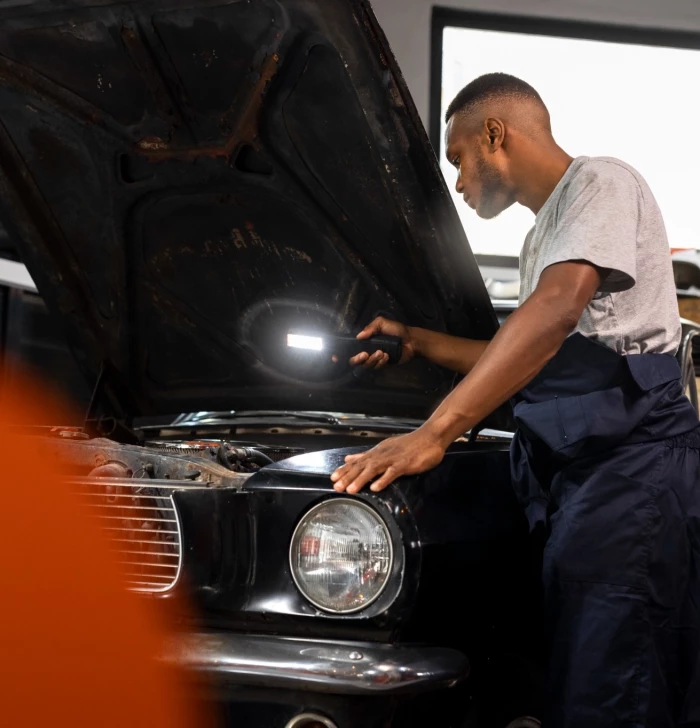
Your appraiser meets you at the vehicle’s location to inspect and document the vehicle. We take detailed photos, record condition, verify identifying details, and note features that may affect value, including customizations, restoration work, performance upgrades, specialty equipment, rare options, mileage, and originality.
-
Step 3
Our Research Team Reviews Market Data and Comps
After the inspection, the photos and notes are reviewed by our research team. They evaluate current market data, comparable vehicles when available, collector trends, historical valuation information, and other factors relevant to the vehicle’s current value.
-
Step 4
You Receive a Certified Appraisal Report
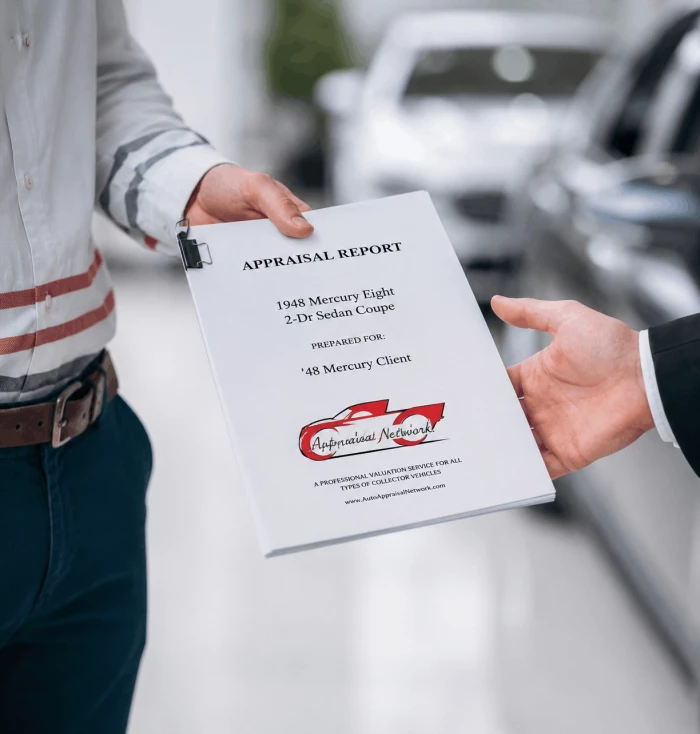
Once complete, you receive a certified appraisal report documenting the vehicle and its value. You can submit the report to your insurance provider to support your request for agreed value coverage, update your existing policy, or maintain professional documentation for your records.
What Makes an Auto Appraisal Network Report Different?
Auto Appraisal Network sets the standard for professionally documented vehicle appraisal reports. Each of our appraisals is designed to provide more than just a simple estimate. Our reports combine hands-on vehicle documentation, detailed photography, market research done by humans, comparable sales data when available, and a clear professional valuation summary.
Your appraiser comes to the vehicle’s location to inspect and document its condition, options, customizations, upgrades, identification details, and other factors that may affect value. Depending on the vehicle and appraisal type, reports include extensive photo documentation, current market data, historical valuation information, and comparable vehicles reviewed by our research team.
The result is a certified appraisal report that can be used to support agreed value insurance coverage, collector vehicle documentation, private sales, financing, estate planning, legal matters, ownership records, and other situations where vehicle value needs to be clearly documented.
Agreed Value Insurance Appraisals FAQs
What is an agreed value appraisal?
An agreed value appraisal is a certified vehicle appraisal used to help document the value of a classic, custom, collector, exotic, or specialty vehicle for insurance coverage. The report helps support the value you and your insurance provider agree to list on the policy.
Do I need an appraisal for agreed value insurance?
Many insurance providers require a professional appraisal before approving agreed value coverage, especially for classic, custom, collector, exotic, modified, or specialty vehicles. Requirements vary by provider and policy.
What types of vehicles need agreed value appraisals?
Agreed value appraisals are commonly used for classic cars, antique vehicles, collector cars, custom cars, hot rods, street rods, resto-mods, exotic vehicles, custom trucks, motorcycles, boats, RVs, and other specialty vehicles.
Is agreed value insurance better than stated value insurance?
Agreed value insurance is often preferred for specialty vehicles because the insured value is established upfront with the insurance provider. Stated value policies can vary, and the stated amount may not always guarantee that payout after a claim. Vehicle owners should review policy terms with their insurance provider or agent.
What is the difference between agreed value and actual cash value?
Actual cash value usually reflects a vehicle’s market value at the time of loss and may include depreciation or other adjustments. Agreed value coverage is based on a value established in the policy before the loss occurs, subject to the policy terms.
Can an agreed value appraisal help protect a custom car?
Yes. Custom cars often include upgrades, parts, fabrication, paint, interior work, performance modifications, and labor that standard value tools may not capture. A certified appraisal helps document those details for insurance coverage.
How often should I update my agreed value appraisal?
Many owners update their appraisal when they make significant changes to the vehicle, complete restoration work, add major upgrades, change insurance providers, or notice a meaningful shift in market value. Some insurance providers may also require periodic updates.
What information should I provide for an agreed value appraisal?
Helpful documents may include restoration records, receipts for parts and labor, build sheets, prior appraisals, photos, maintenance records, insurance documents, ownership history, and documentation of custom work, rare options, or specialty equipment.
Can I use an agreed value appraisal for more than insurance?
Yes. A certified appraisal may also be useful for financing, private sales, estate planning, divorce settlements, bankruptcy proceedings, legal matters, ownership records, or general documentation of value.
Will the appraisal guarantee my insurance payout?
The appraisal helps document the vehicle’s value, but the insurance policy determines coverage, claim handling, exclusions, and payout terms. Always review your policy with your insurance provider or agent.
Need an Agreed Value Insurance Appraisal?
Before a loss happens, make sure your classic, custom, collector, exotic, or specialty vehicle is properly documented.
Auto Appraisal Network provides independent, certified appraisal reports that help support agreed value insurance coverage and give you a clear professional record of your vehicle’s current value.